Beyond the Shadows: Why Shame Cannot Heal in Isolation
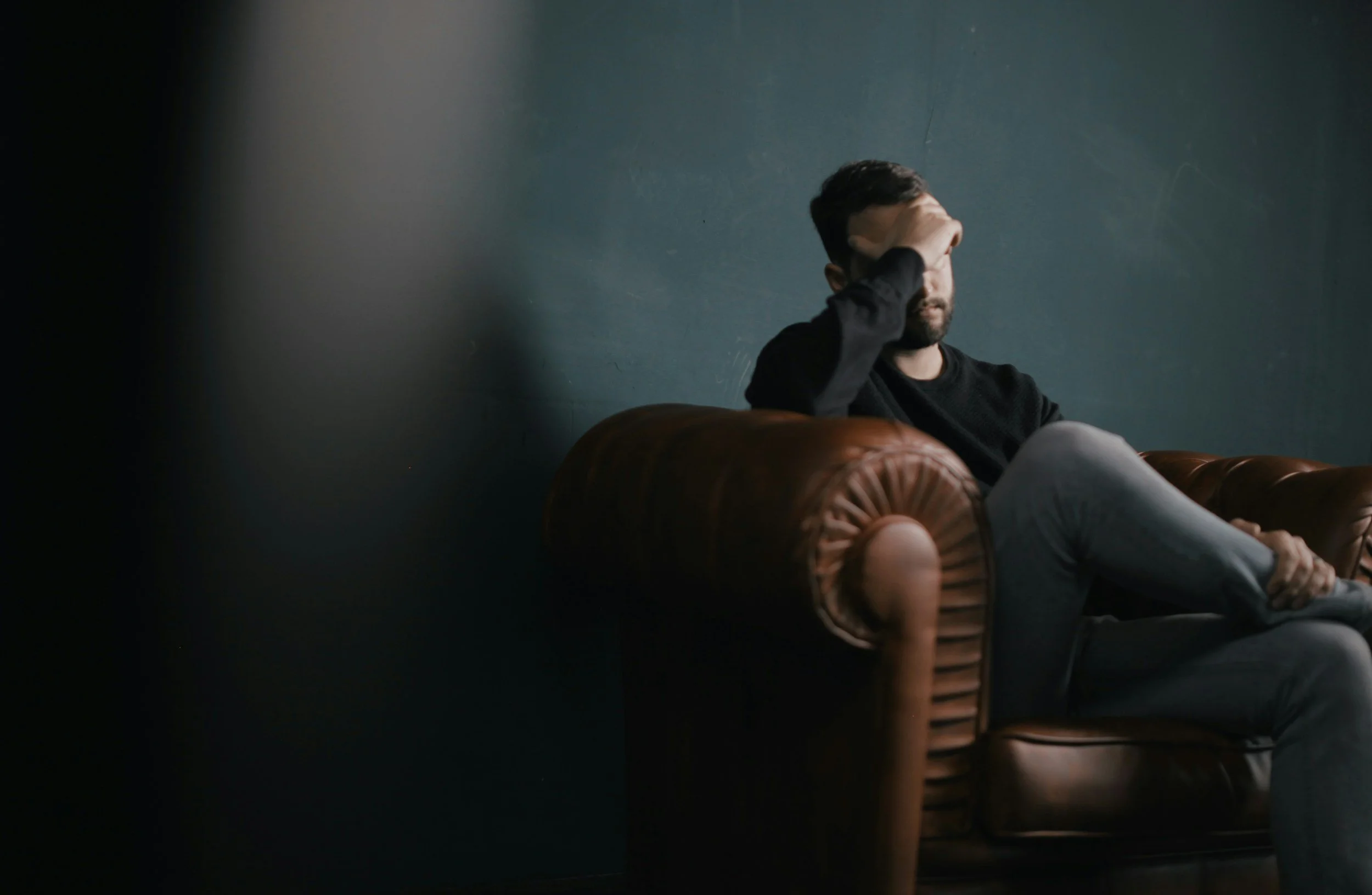
There are struggles many people feel comfortable talking about publicly…
Stress.
Burnout.
Anxiety.
Overwork.
And then there are the struggles people hide.
The ones buried beneath secrecy, performance, distraction, and late-night promises to “never do it again.”
For many men struggling with compulsive sexual behavior, pornography addiction, or hidden cycles of shame, the deepest pain is not just the behavior itself.
It’s the isolation.
It’s the exhausting experience of carrying a secret life while trying to appear composed, successful, spiritual, dependable, or emotionally fine on the outside.
And in places like Brentwood and throughout Middle Tennessee—where achievement, image, and performance often carry enormous weight—that isolation can become even more powerful.
Because shame is a master of hiding.
Shame Grows in the Dark
Researcher Brené Brown famously said that shame requires three things to grow:
secrecy
silence
judgment
That’s exactly why compulsive behaviors become so difficult to break alone.
Shame whispers:
“If people knew the truth about you, they’d leave.”
“You’re too far gone.”
“No one else struggles like this.”
“You need to fix this before you can be honest.”
So people hide.
They minimize.
Rationalize.
Compartmentalize.
Perform.
Promise themselves they’ll stop tomorrow.
But secrecy tends to strengthen the very cycle people are trying to escape.
This is one of the foundational insights within the work of Patrick Carnes and the CSAT model for compulsive sexual behavior treatment: shame and isolation often fuel the cycle.
Not because people are weak.
Because human beings are wired for attachment and connection.
The Cycle Beneath the Behavior
Many people assume compulsive sexual behavior is simply about pleasure or lack of discipline.
But for many individuals, the behavior is functioning as an attempt to regulate something deeper:
shame
loneliness
stress
inadequacy
rejection
emotional disconnection
fear
numbness
For a moment, the behavior offers escape. Relief. Control. Comfort. Validation.
But afterward, shame often comes rushing back stronger than before.
So the cycle repeats:
Pain → escape → relief → shame → secrecy → more pain.
Over time, people begin to feel fragmented from themselves and disconnected from others.
They stop believing they can truly be known and still accepted.
Healing Requires More Than Willpower
Many men enter recovery believing the solution is simply trying harder.
More discipline.
More self-control.
More private promises.
But sustainable recovery rarely grows in isolation.
Healing happens when people begin stepping out from behind the performance and into honest connection.
That’s why group work can be so transformative.
Because something shifts when a person says out loud:
“This is my story.”
And instead of rejection, they experience understanding.
That moment disrupts shame.
Shame Dies in Safe Community
One of the most powerful experiences in recovery is realizing:
“I am not the only one.”
Not the only one who feels afraid.
Not the only one who has hidden.
Not the only one who feels divided inside.
Not the only one who longs for integrity and connection.
Healthy recovery groups are not spaces where people sit around glorifying dysfunction or endlessly labeling themselves as broken.
At their best, they become places of honesty, accountability, courage, and healing.
Places where masks begin to come off.
Places where men stop performing strength and begin practicing authenticity.
Places where people learn that vulnerability is not weakness—it’s the foundation of secure connection.
Beyond Behavior Management
In the CSAT model, recovery is not simply about stopping a behavior.
It’s about building a different kind of life.
A life marked by:
integrity
emotional awareness
healthy attachment
honesty
relational safety
vulnerability
accountability
connection
Many men have spent years disconnected from their own emotions. Some learned early that sadness was weakness, neediness was unsafe, or vulnerability was unacceptable.
So emotions got buried beneath work, distraction, achievement, anger, humor, pornography, substances, or performance.
Recovery often involves reconnecting to the deeper emotional world underneath the behavior.
Not just asking:
“How do I stop acting out?”
But:
“What pain have I been trying to escape?”
“What am I actually longing for?”
“What would it look like to live honestly?”
“Can I let myself be fully known?”
You Were Never Meant to Carry This Alone
Isolation convinces people they are uniquely defective.
Community reminds people they are human.
That doesn’t remove accountability. In fact, real recovery usually involves increasing accountability, honesty, and ownership.
But healing accelerates when people no longer have to hide.
That’s the heart behind groups like BRAVE and PATH.
Not a basement meeting for “broken people.”
An arena for courageous work.
A place where men begin telling the truth.
Owning their stories.
Practicing vulnerability.
Building integrity.
Learning connection.
Stepping out of shame and into reality.
Because the goal is not simply behavior suppression.
The goal is wholehearted living.
The Courage to Step Into the Light
Recovery begins long before someone has everything figured out.
It often begins with one brave decision:
“I don’t want to carry this alone anymore.”
That kind of honesty can feel terrifying at first.
But shame loses power when secrecy ends.
And many people discover that the parts of themselves they feared would make them unlovable were actually the very places where healing, connection, and transformation could begin.
If you’re looking for support for Compulsive Sexual Behavior Treatment, Group Therapy, or men’s recovery groups in Brentwood and throughout Middle Tennessee, Tyler Flowers Counseling offers CSAT-informed therapy and groups like BRAVE and PATH for men pursuing recovery, integrity, emotional healing, and authentic connection.
